Bonus Material
This chapter corresponds to the
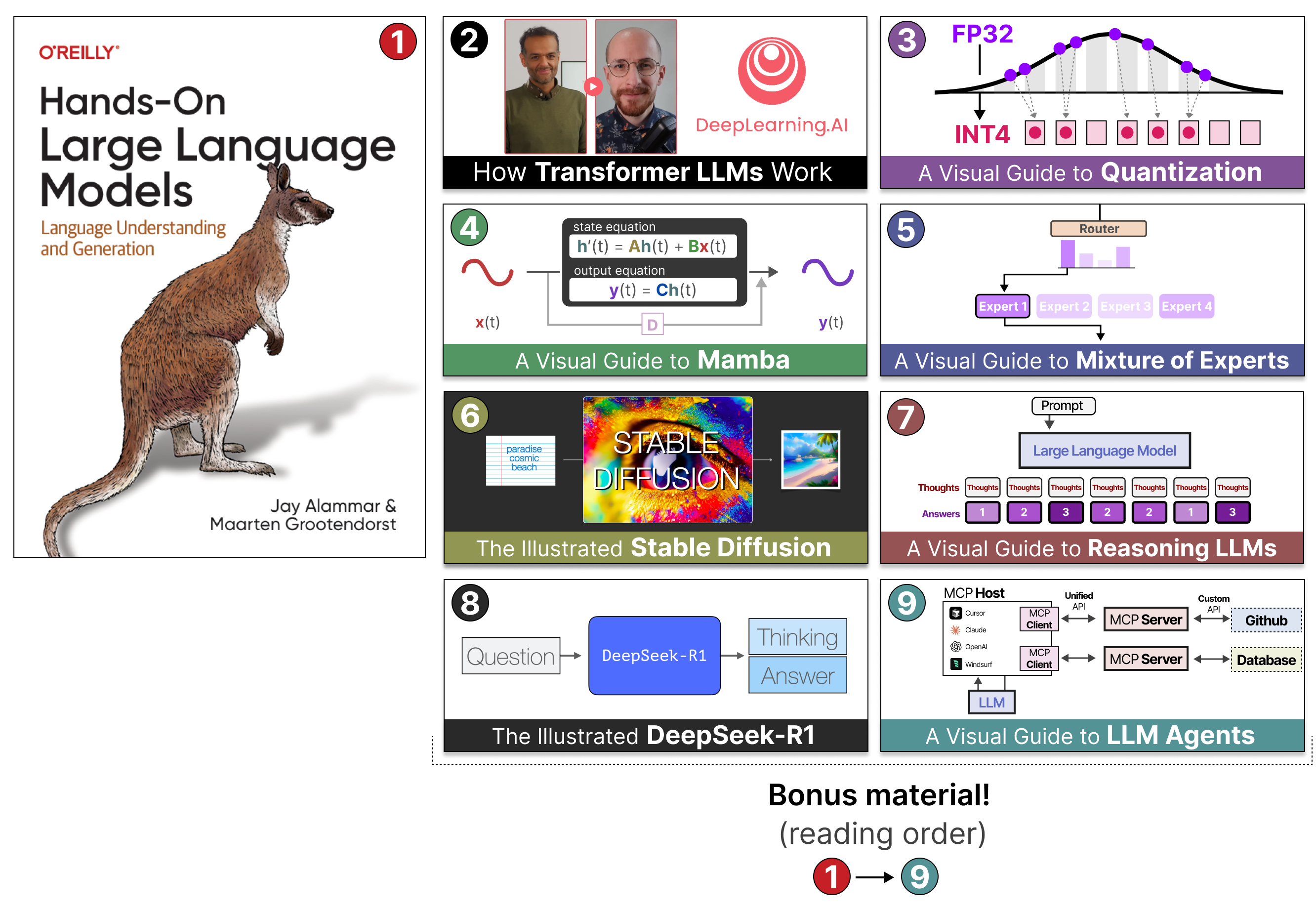
bonus/directory in the repository. The book is limited in篇幅 (~400 pages), and the author continues to produce in-depth guides outside the book in the same visual, illustrated style. The following 8 articles are all included with illustrations; click the title to jump to the original.
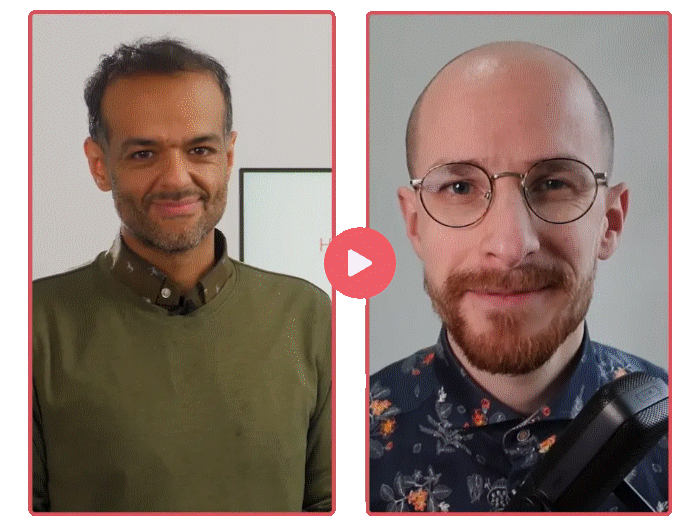
1. How Transformer LLMs Work (DeepLearning.AI Course)
Deepen the content of the entire book
The author collaborated with DeepLearning.AI to transform the core content of the book into a short course, covering the主要 components of Transformer LLMs. This highly animated course can further strengthen your intuition for the book's content.
You will learn: key components such as tokenization, embeddings, self-attention, and transformer blocks; recent improvements to attention mechanisms such as KV cache, multi-query attention, grouped-query attention, and sparse attention; a comparison of tokenization strategies across modern LLMs; and an exploration of Transformers in the Hugging Face Transformers library.
2. A Visual Guide to Quantization
Extends Chapters 7 and 12
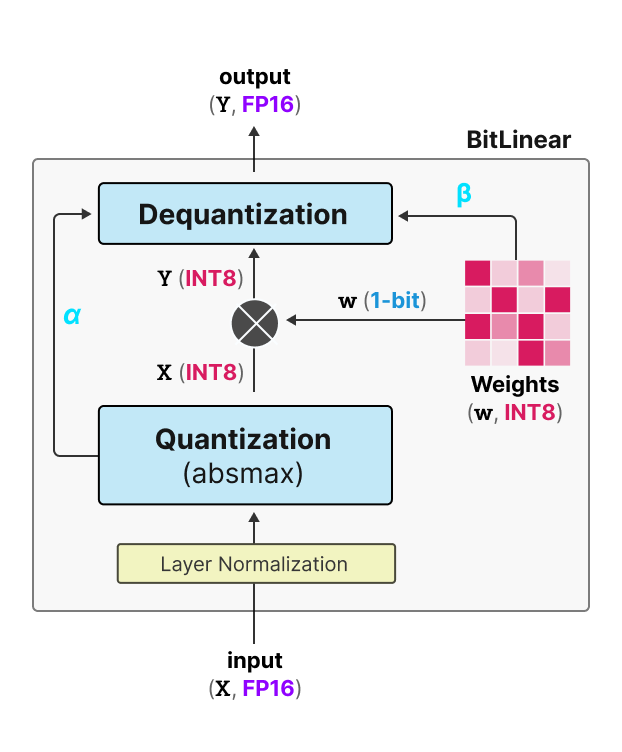
The book introduces the concept of quantization and how it reduces computational demands for training and fine-tuning. A Visual Guide to Quantization dives deeper into the technical details on top of the book:
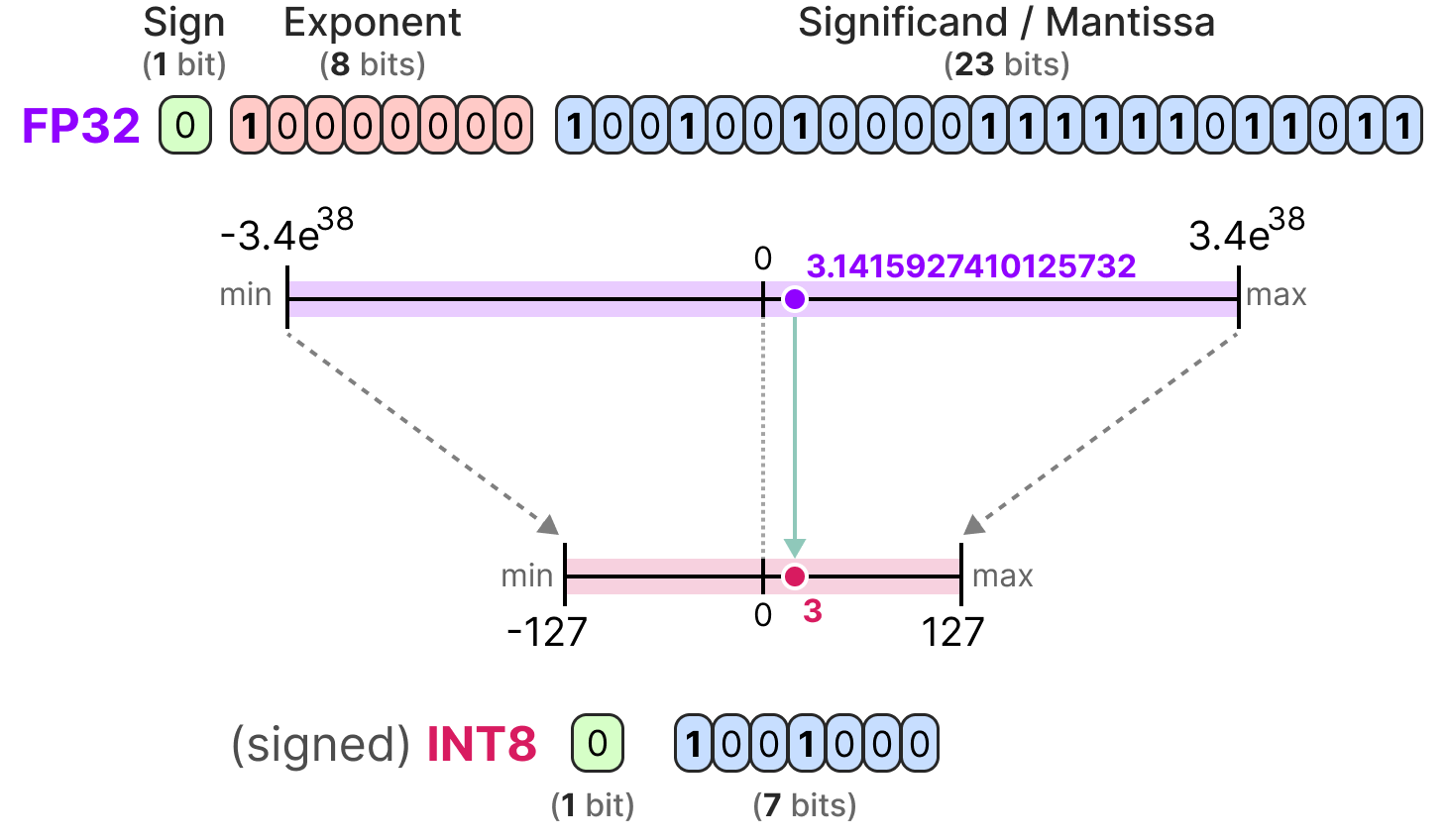
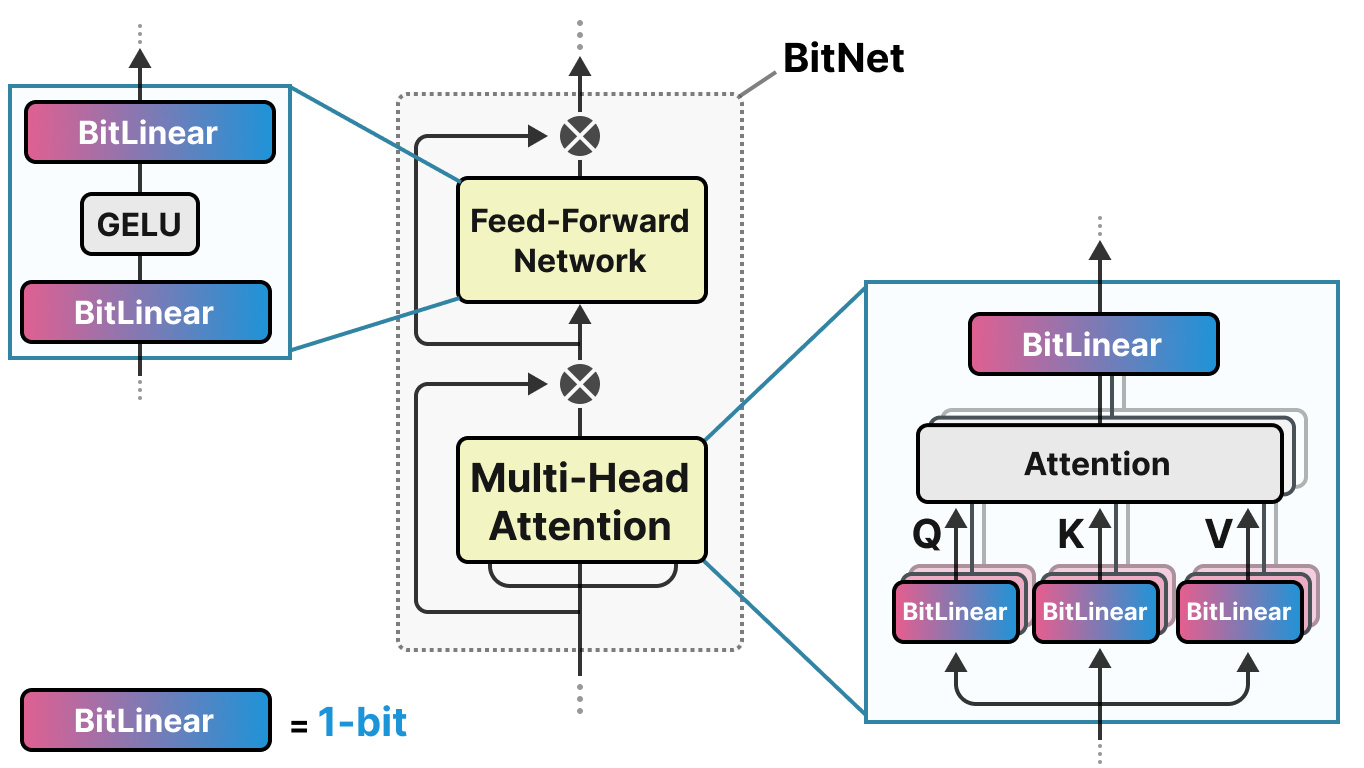
The guide explores multiple quantization methods — post-training quantization and quantization-aware training — and even showcases BitNet: a method that yields three-value parameters (only 3 possible values!).
3. A Visual Guide to Mamba and State Space Models
An "alternative" to Chapter 3
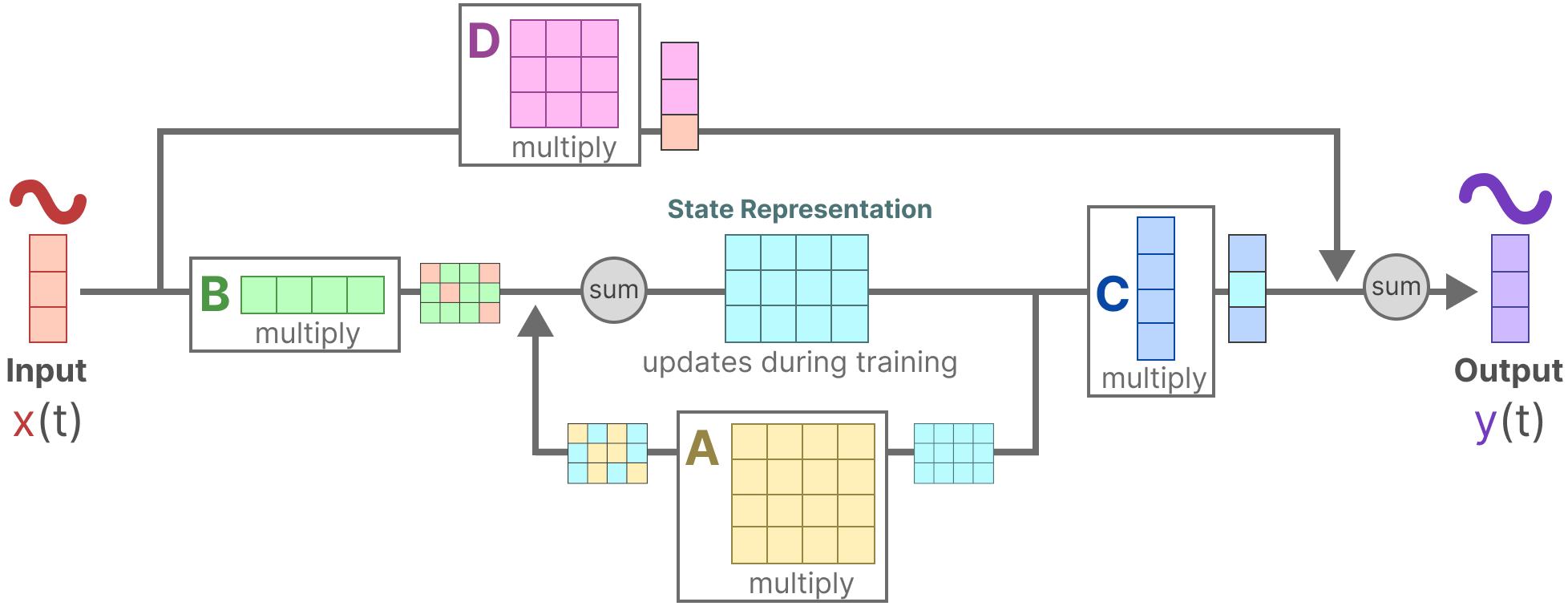
Not an extension but a "replacement" for Chapter 3! This guide provides a序列 modeling approach fundamentally different from the decoder-only Transformer in Chapter 3 — State Space Models:
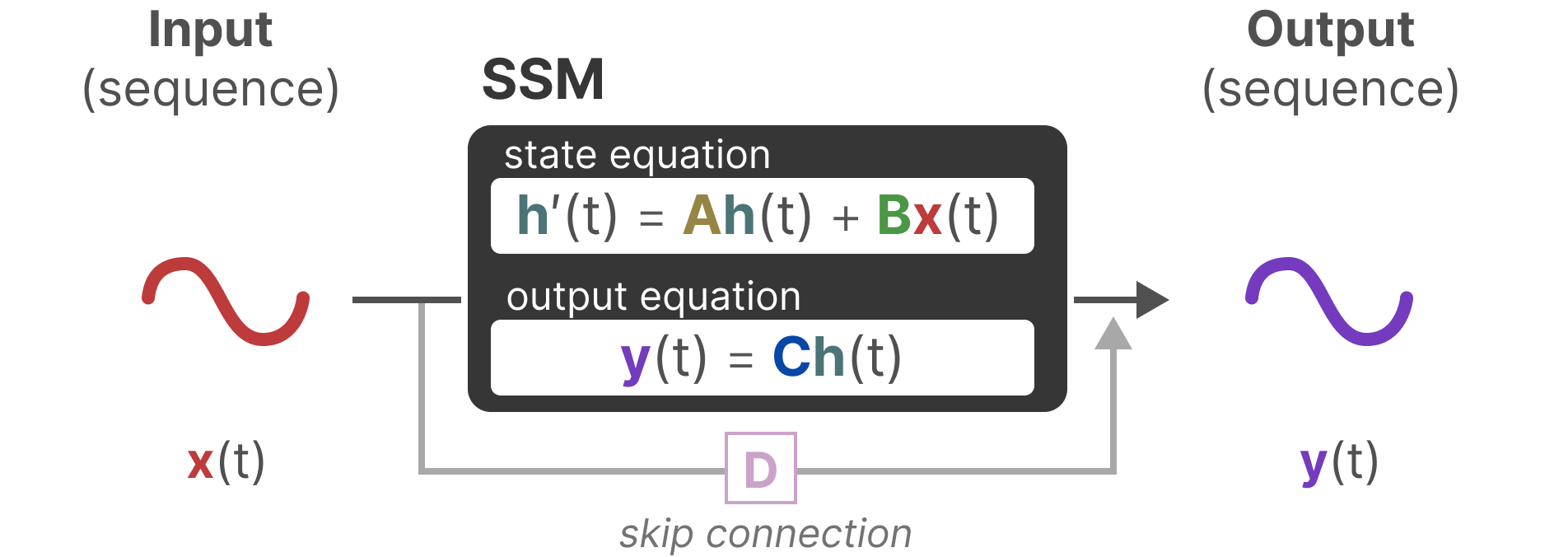
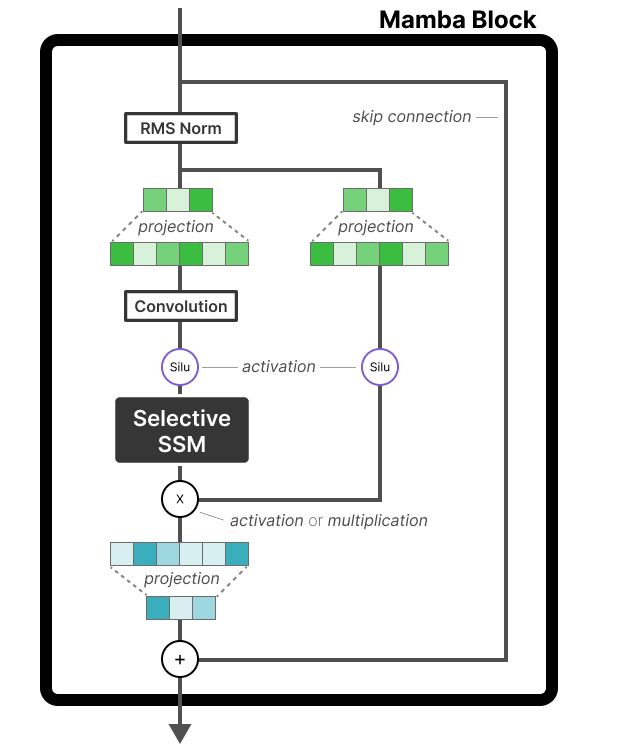
This领域 is not limited to Transformers; exciting hybrid architectures are even beginning to combine Transformer blocks with Mamba blocks.
4. A Visual Guide to Mixture of Experts (MoE)
Extends Chapter 3
Chapter 3 lays the foundation for the traditional Transformer decoder and also covers advances in efficient attention and positional embeddings. One technique that is not detailed but is increasingly important is Mixture of Experts — enhancing the Transformer decoder by introducing multiple specialized sub-networks ("experts"):
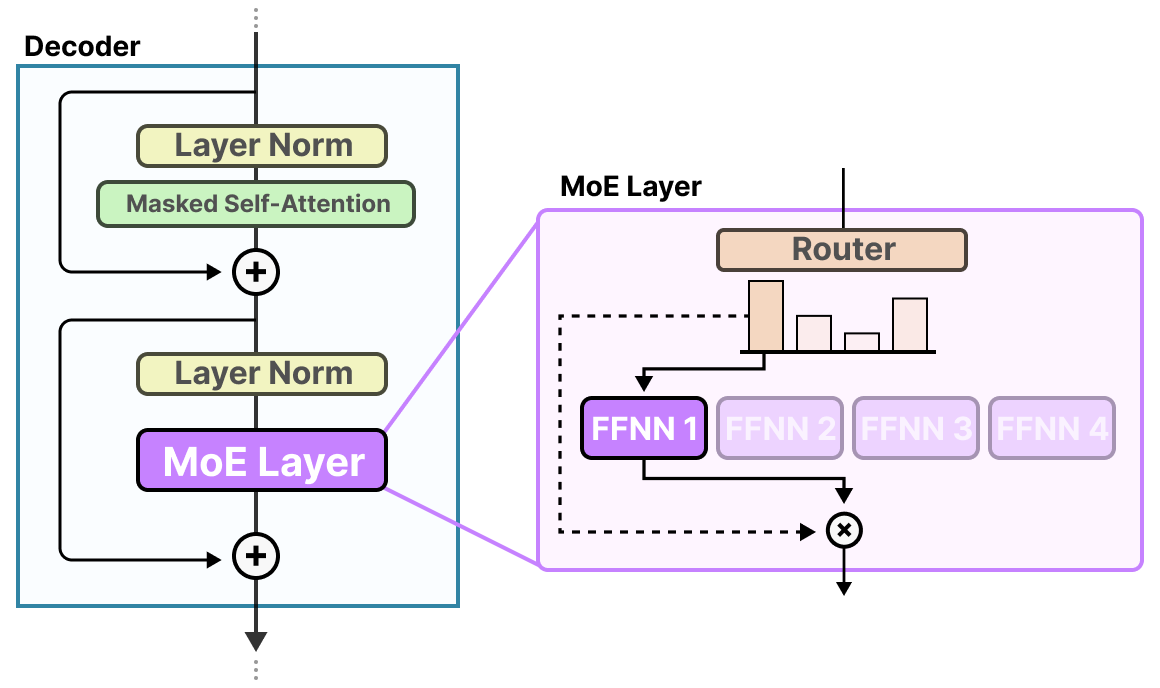
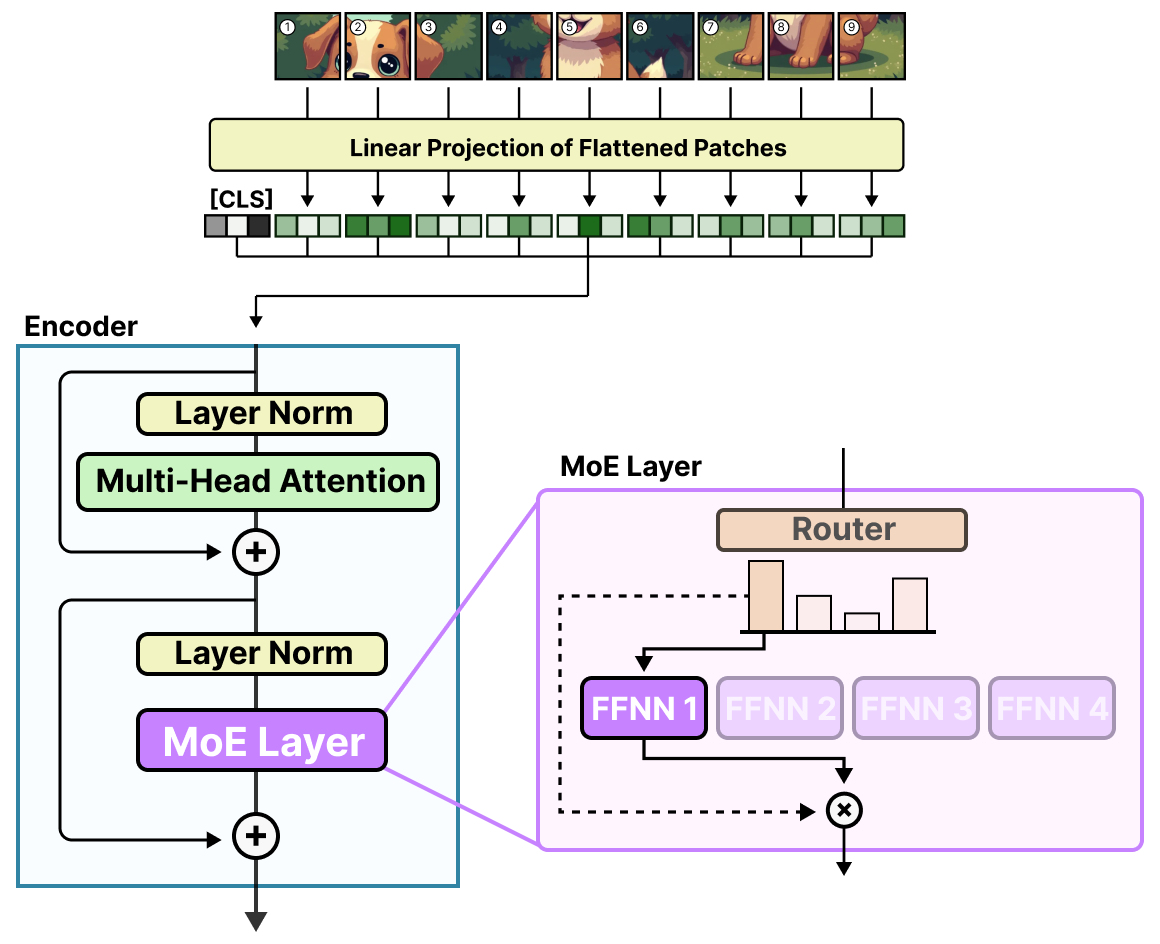
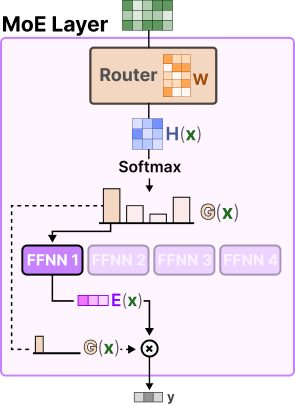
The MoE visual guide explains how MoE models dynamically route different inputs to the most suitable expert, thereby processing diverse language tasks more efficiently; it then extends into the vision-language领域:
5. The Illustrated Stable Diffusion
Extends Chapter 9
Chapter 9 introduces Vision Transformer (ViT) and demonstrates how CLIP enables joint modeling of text and images — bringing images into text models so they can "reason" about images. And CLIP can also be used in reverse: bring text into visual models to guide image generation with words.
The Illustrated Stable Diffusion explores CLIP's role in Stable Diffusion in the一贯 highly visual style:

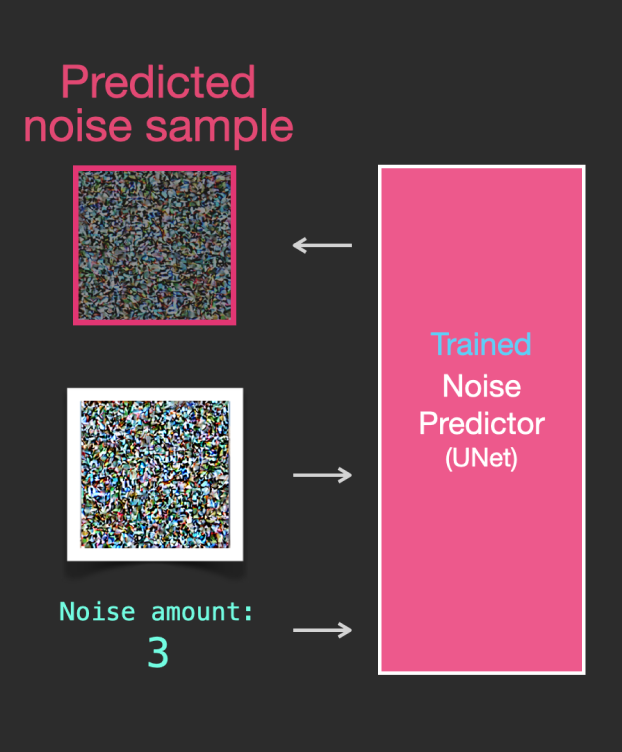
It further dissects the internal working principles of Stable Diffusion — how it combines CLIP's capabilities with advanced diffusion models to生成 high-quality images from text prompts:

6. A Visual Guide to Reasoning LLMs
Extends Chapters 6 and 12
The book discusses how chain-of-thought improves output quality by extending reasoning. A Visual Guide to Reasoning LLMs goes a step further: describing the paradigm shift from train-time compute (more data, longer training, larger models) to test-time compute (extending inference through "reasoning"):
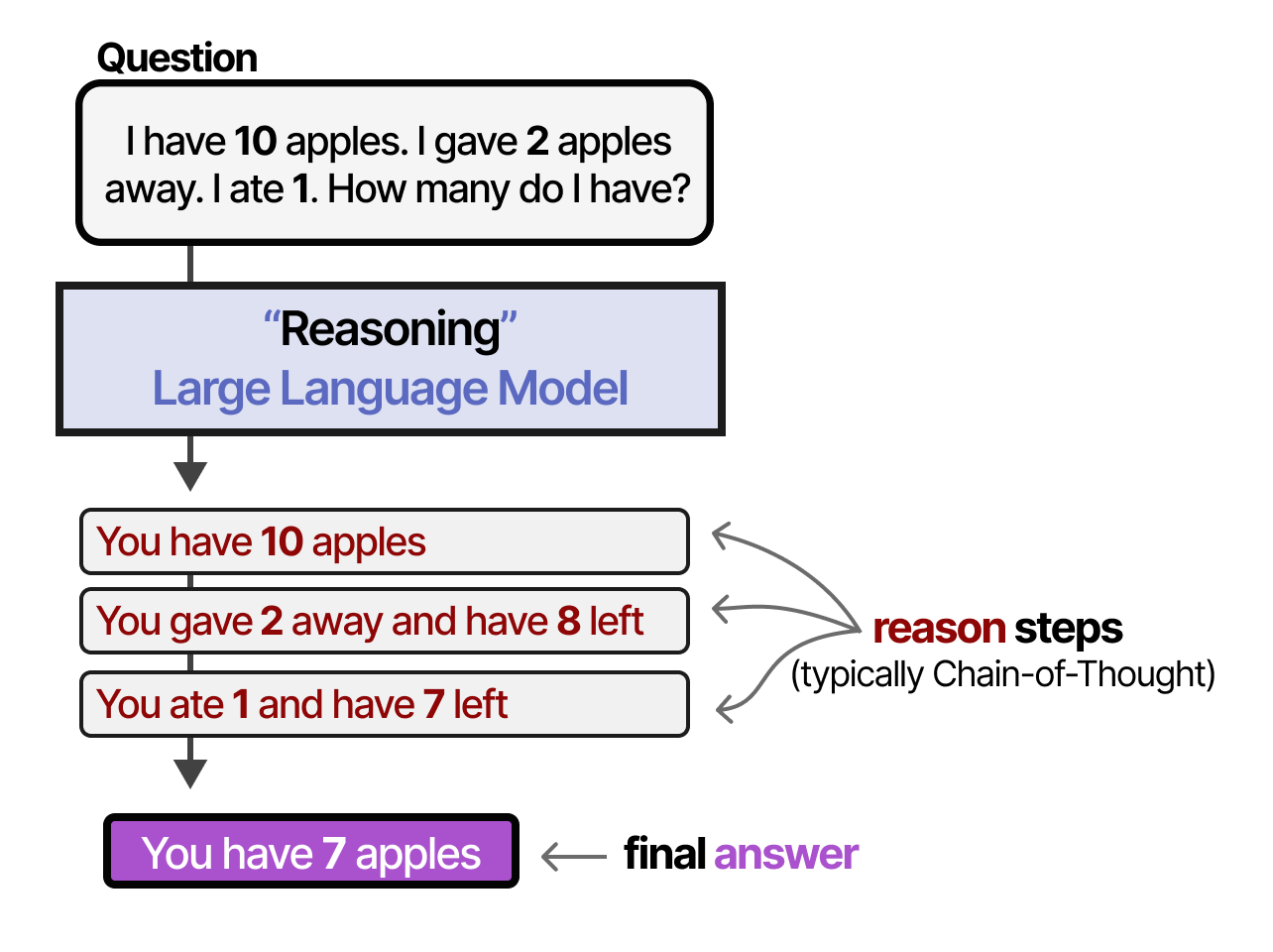
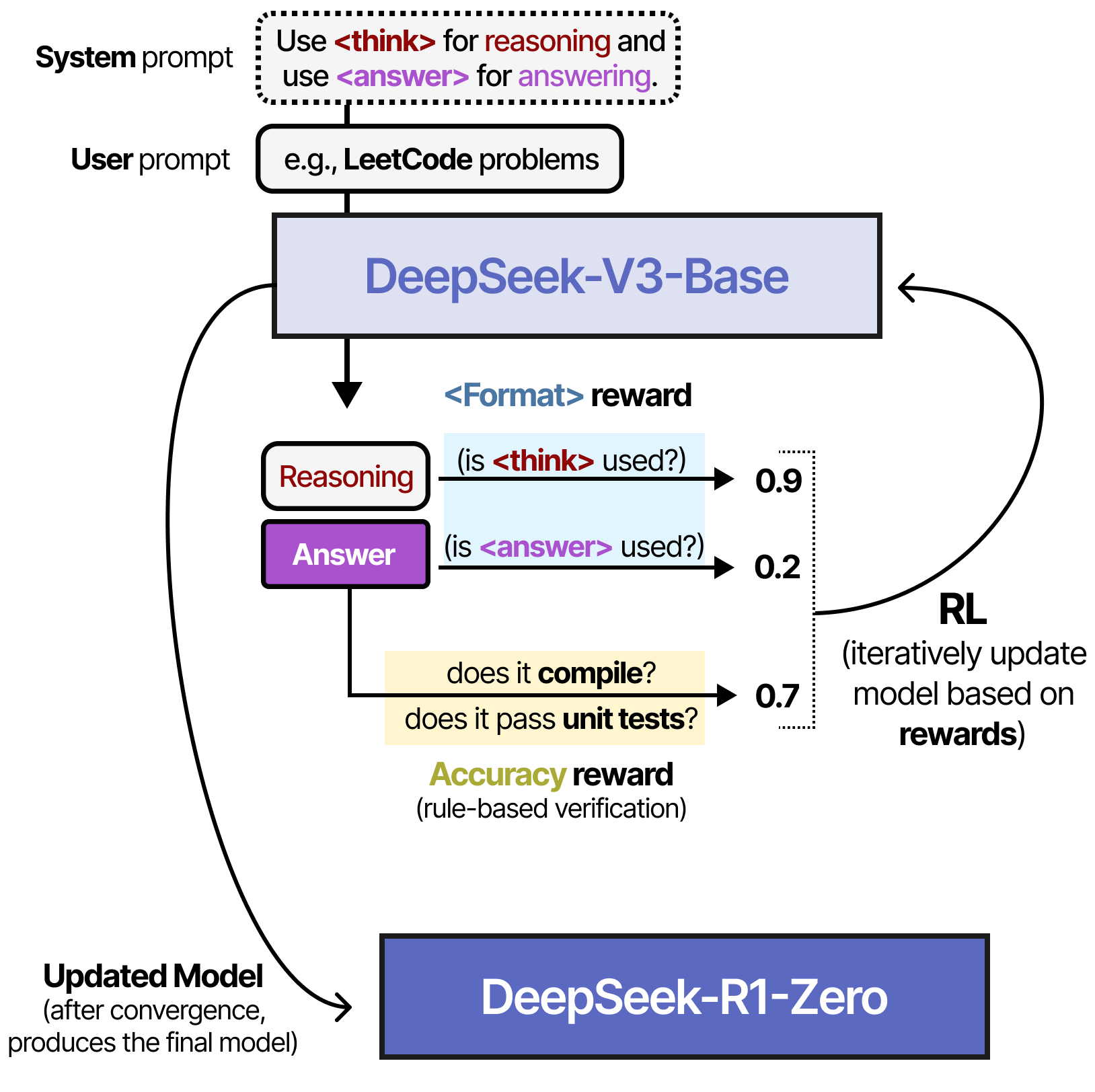
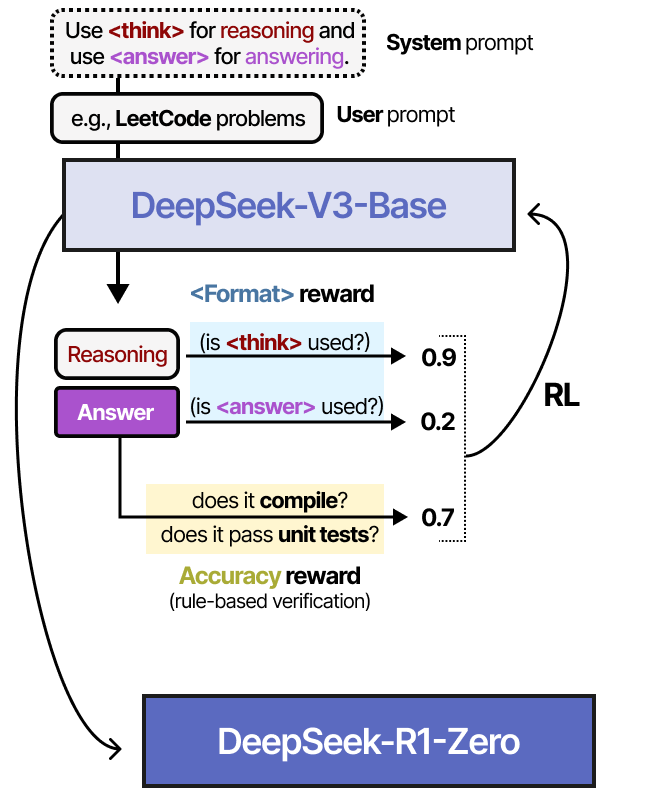
The guide explores multiple reasoning distillation techniques across training and inference phases, and specifically introduces the highly influential 2024 model DeepSeek-R1:
7. The Illustrated DeepSeek-R1
Extends Chapter 12
Chapter 12 covers common techniques for creating and fine-tuning models — language modeling, supervised fine-tuning, and preference tuning — focusing on non-reasoning models. DeepSeek-R1 is an unexpectedly released reasoning LLM, an open-weight model that competes with OpenAI o1.
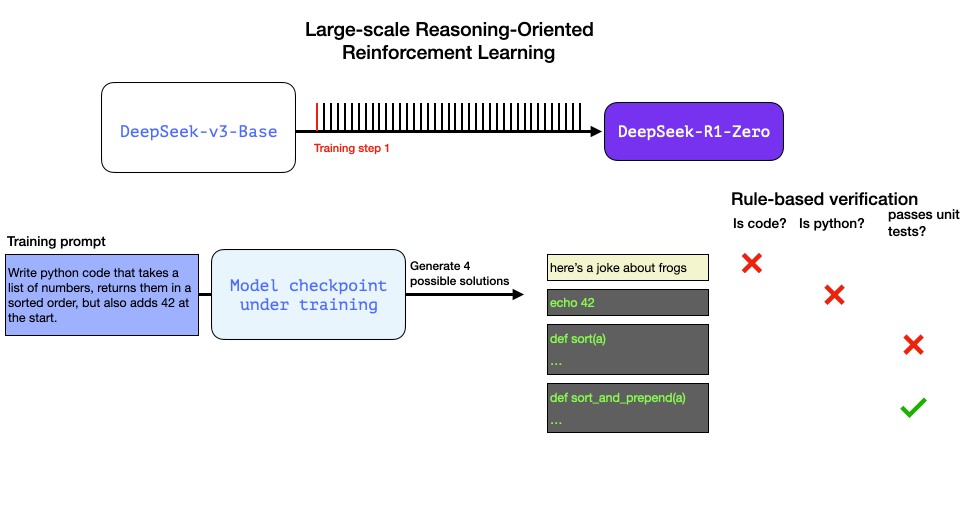
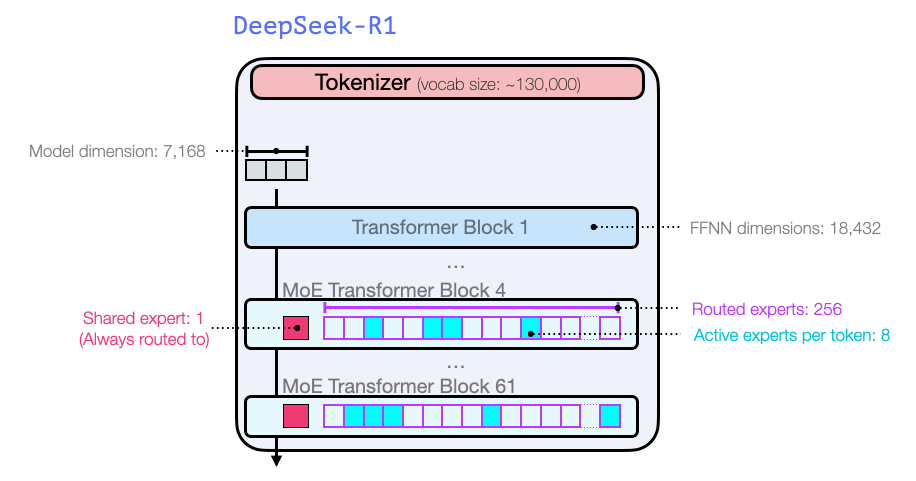
The Illustrated DeepSeek-R1 dissects the model and its training process. Interestingly, it uses a rule-based validator to ensure the reasoning process adheres to specific standards, such as confirming that code can actually compile:
Its architecture is Mixture-of-Experts, with 256 experts (8 activated at a time) — quite massive:
8. A Visual Guide to LLM Agents
Extends Chapters 7 and 8
Chapters 7 and 8 show how to extend LLM capabilities by providing tools, memory, and other mechanisms, and briefly introduce methodologies for实现 autonomous behavior (such as Reason and Act, ReAct). A Visual Guide to LLM Agents dives deep into how to让 LLM act autonomously (i.e. as an Agent):
First an overview of the main components of an Agent…
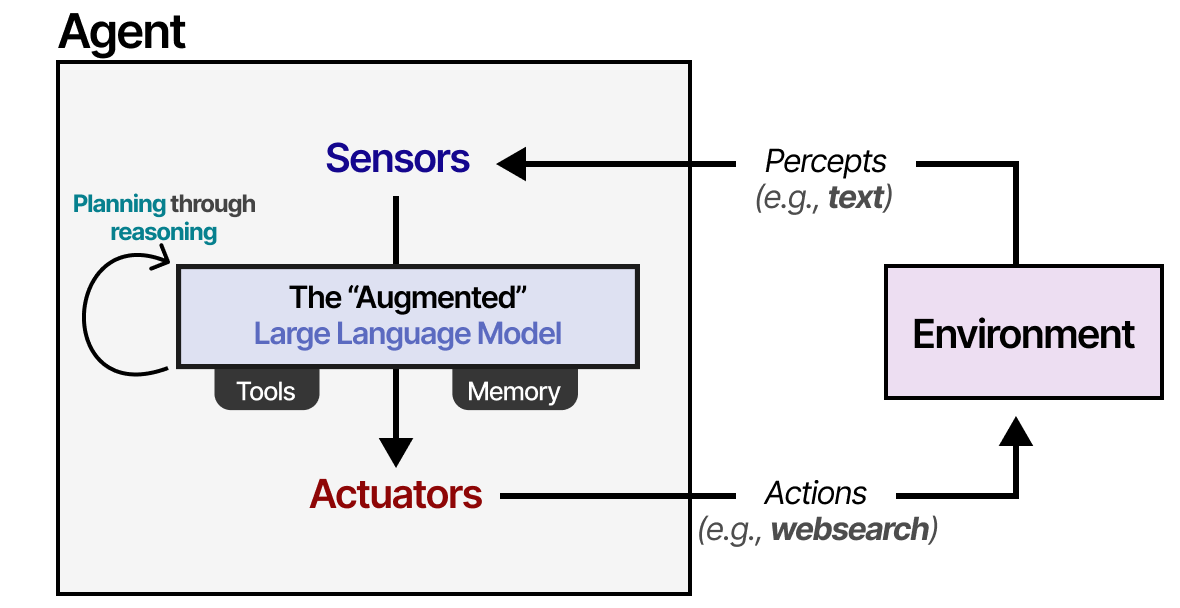
…then a detailed explanation of the three core components: tools, memory, and planning:
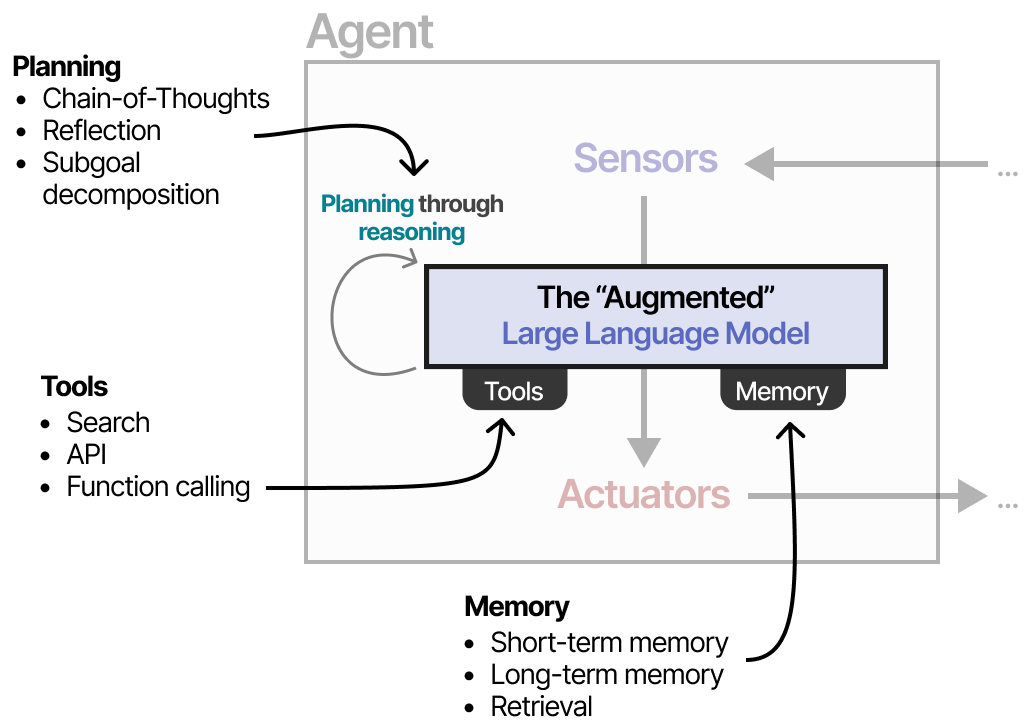
The tools section深入 explores the Model Context Protocol (MCP) — showcasing this increasingly popular Agent tool-use standard:
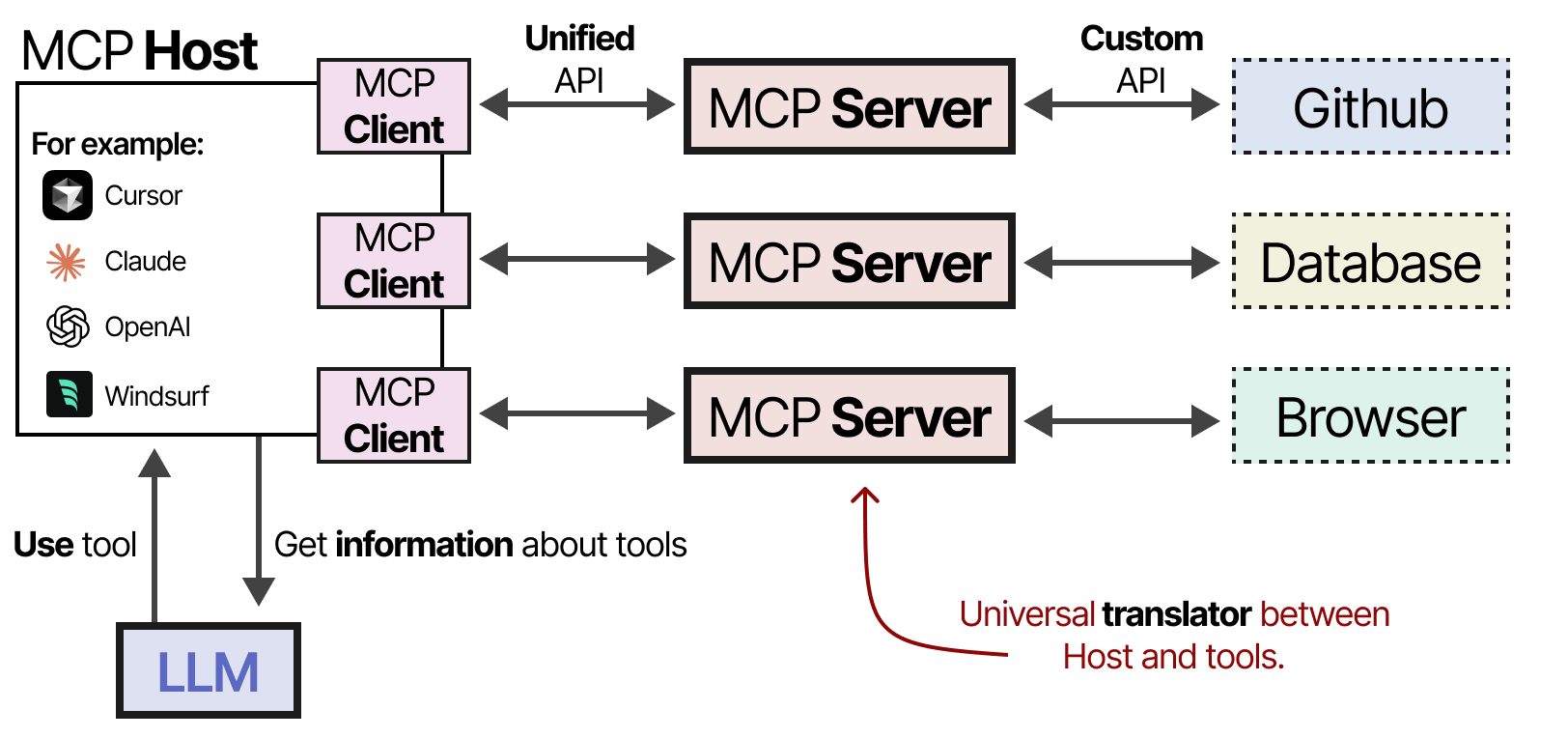
Planning is the core of this guide; it is the主要 component that gives LLM Agents autonomous behavior:
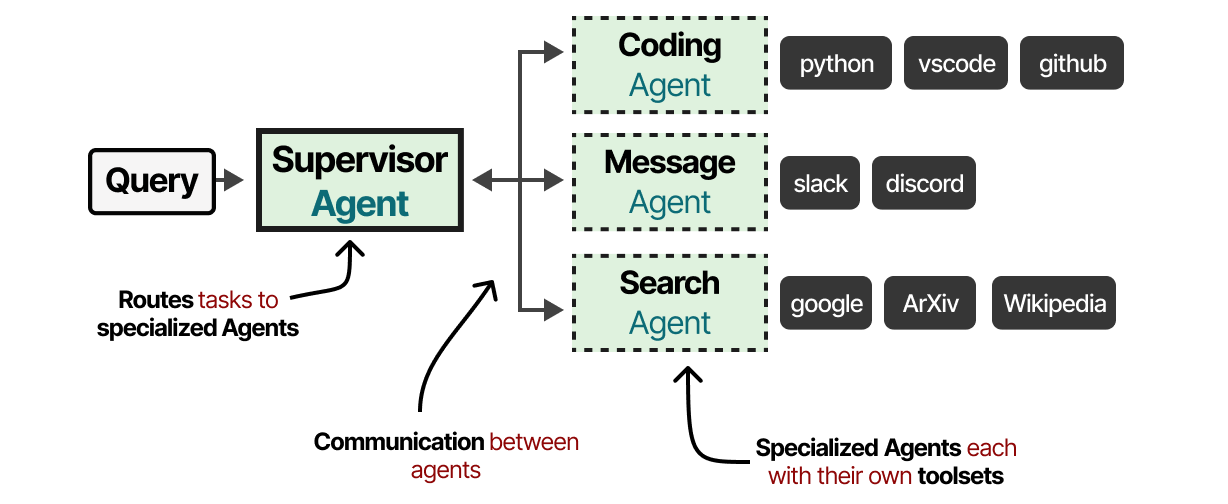
Implementing autonomous behavior is only the first step; the guide最后 describes multi-Agent collaboration — multiple Agents共同完成 predefined goals: